
AION 2 Global Classes: Roles and Playstyles Explained
Explore AION 2 Global classes, compare eight roles, and learn combat tradeoffs to choose your main for solo adventures, dungeons, and aerial PvP battles.
Jump to
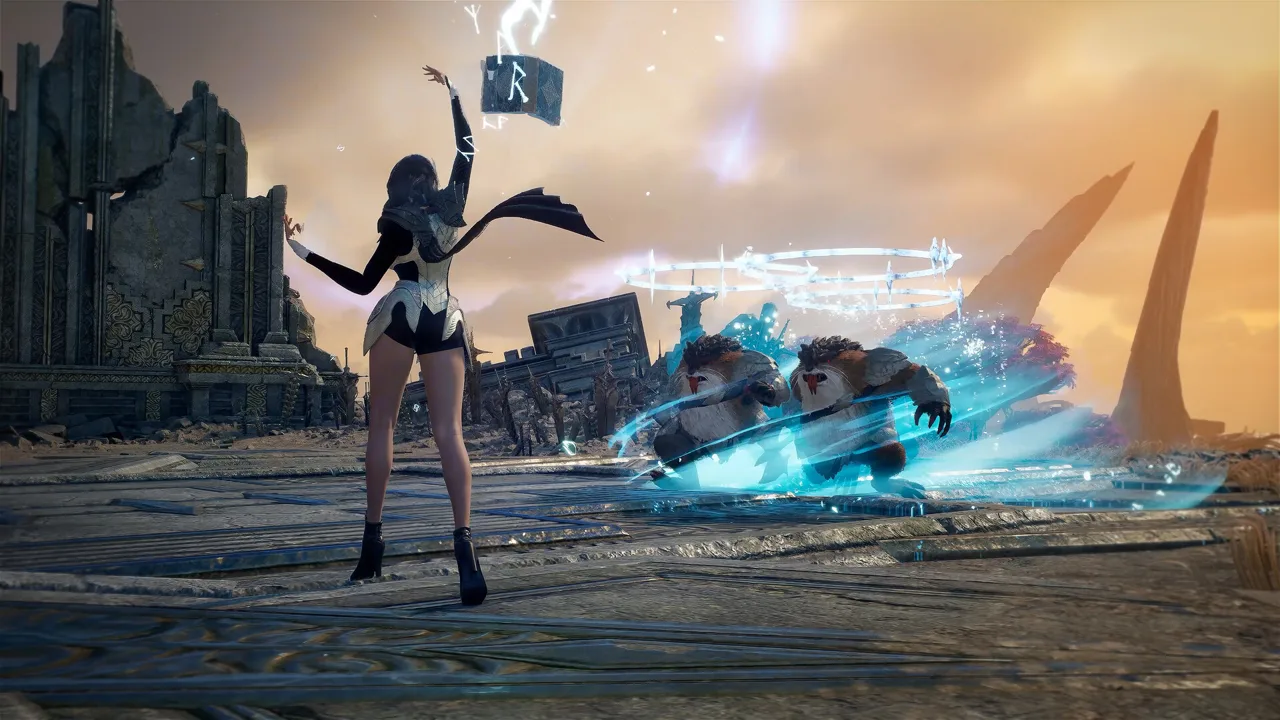
AION 2 Global Classes at a Glance
Your class determines whether you spend a fight holding the frontline, keeping teammates alive, or hunting an exposed caster. Understanding AION 2 Global classes matters because solo quests, dungeon groups, and aerial PvP put different demands on your character. This guide breaks down all eight AION 2 Global classes by their roles, combat tools, and tradeoffs so you can choose a main whose everyday gameplay appeals to you.
The global launch roster includes Gladiator, Templar, Assassin, Ranger, Sorcerer, Spiritmaster, Cleric, and Chanter. Brawler belongs to the Korean and Taiwanese versions and is not a global launch choice.
| Class | Main role | Core combat tools | Tradeoff to consider |
|---|---|---|---|
| Gladiator | Melee damage with backup tank utility | Wide attacks, self-healing, knockdowns | Close combat puts you near incoming pressure |
| Templar | Main tank | Shield defenses, taunts, pulls | Durable solo play comes with slower clearing |
| Assassin | Melee burst damage | Stealth, dual daggers, single-target attacks | Fragile early and sensitive to latency |
| Ranger | Ranged physical damage | Bow attacks, mobility, kiting | Maintaining distance requires active movement |
| Sorcerer | Ranged magic damage | Fire burst and ice control | Positioning mistakes are punishing |
| Spiritmaster | Pet-based magic damage and disruption | Elemental spirits, fear, silence, debuffs | Your play involves managing summons and control |
| Cleric | Main healer | Direct heals, group heals, cleanses, resurrection | Solo clearing is slower than damage-focused options |
| Chanter | Hybrid support | Mantras, supplemental healing, staff damage | Requires attention to both allies and enemies |
Think about your preferred responsibility before comparing damage. Do you enjoy controlling enemy movement, recovering a struggling party, or setting up a burst opportunity? Those choices distinguish AION 2 Global classes more usefully than a single overall ranking.
Global PvE includes solo challenges, five-player party content, and 10-player group dungeons. Choose around the activities you expect to repeat, especially if you already have friends filling particular roles.
Official page: AION 2 Global (aion2.plaync.com)
Gladiator and Templar: Two Different Frontline Jobs
Gladiator and Templar both bring durability, but their responsibilities differ. Gladiator combines melee damage with survival tools; Templar concentrates on holding enemy attention and protecting the group through defensive play.

When comparing these AION 2 Global classes, decide whether you want damage or tanking to be your central job.
| Combat element | Gladiator | Templar |
|---|---|---|
| Weapon style | Two-handed greatsword | Long sword and shield |
| Offensive tools | Sweeping attacks against groups | Melee attacks and target pulls |
| Defensive tools | Damage-based healing and blocking | Shield defenses and heavy defensive cooldowns |
| Group responsibility | Physical damage and backup tank utility | Main tank and enemy positioning |
| Solo rhythm | Group clearing supported by sustain | Steady combat built around survival |
Gladiator: Melee Damage With Room to Recover
Gladiator’s broad swings make fighting groups part of its identity. Its damage-based healing also gives you a way to recover health while continuing to attack.
Pull enemies into reach of your sweeping attacks, but leave room to reposition. Self-healing helps you survive a rough engagement; it still requires you to recognize when incoming pressure is becoming dangerous.
In group content, stay focused on your damage role while remaining ready to help when enemies threaten the party. Backup tank utility adds flexibility without replacing the dedicated tank’s responsibilities.
In Abyss PvP, knockdowns and stuns give Gladiator ways to interrupt an opponent’s momentum. Coordinate those openings with teammates who can follow up. Explore the Gladiator combat and class guide for a closer look at its toolkit.
Templar: Control the Fight’s Center
Templar uses taunts, defensive cooldowns, and a shield to handle the main tank role. Its pull also creates opportunities to move an enemy out of a comfortable position.
Watch your party’s position before dragging a target toward you. In aerial PvP, pulling an enemy backliner changes where that player must fight, giving the ability a purpose beyond simple damage.
During solo play, expect a more deliberate pace than Gladiator’s group-clearing approach. Choose Templar if managing pressure and enemy placement sounds satisfying. The Templar build guide covers the class in greater depth.
Cleric and Chanter: Healing Versus Hybrid Support
Cleric and Chanter both help teammates survive, but they ask you to divide your attention differently. Cleric centers its gameplay on healing and recovery. Chanter combines ongoing party buffs, supplemental healing, and staff attacks.

Among AION 2 Global classes, this is an important distinction for anyone who wants a support role without assuming that every support plays like a dedicated healer.
| Support element | Cleric | Chanter |
|---|---|---|
| Primary responsibility | Main healing | Hybrid party support |
| Healing tools | Single-target and group heals | Supplemental healing and self-healing |
| Additional utility | Cleanses and resurrection | Ongoing partywide mantras |
| Offensive style | Holy damage | Staff damage |
| Attention during combat | Ally health and recovery needs | Buffs, healing needs, and attack opportunities |
Cleric: Take Responsibility for Recovery
Cleric’s kit includes direct healing, group healing, cleanses, and resurrection. That gives you several ways to respond when an encounter starts going wrong.
Watch more than the tank’s health bar. Group heals address wider damage, while cleanses give you a separate response to harmful effects. Match the tool to the problem instead of treating every situation as a need for another direct heal.
Solo combat trades clearing speed for endurance through holy damage and self-healing. Keep attacking between recovery needs rather than approaching every encounter as though you were already healing a dungeon group.
Read the Cleric healing and build guide if you want that responsibility to define your main.
Chanter: Keep Supporting While You Fight
Chanter’s mantras provide ongoing party buffs, while staff attacks and supplemental healing give you active jobs alongside them. Its appeal is the combination: you contribute through several parts of the fight.
Use self-healing to sustain your solo combat, and watch for moments when an ally needs help during group encounters. Keep the distinction between supplemental healing and the main healer’s role clear when organizing a party.
If you are choosing between these two support styles, compare their responsibilities in the Chanter versus Cleric guide.
Ranger and Sorcerer: Distance, Damage, and Positioning
Ranger and Sorcerer both attack from range, but their defensive habits differ. Ranger relies on mobility and kiting to maintain space. Sorcerer combines burst damage with control effects that interfere with an enemy’s approach.
 Image: Steam / NC
Distance matters across AION 2 Global classes because aerial combat adds height to the usual questions of range and positioning.
| Combat element | Ranger | Sorcerer |
|---|---|---|
| Damage style | Ranged bow attacks | Burst magic damage |
| Space-control tools | Mobility and kiting | Slows, roots, and freezes |
| Solo combat approach | Damage enemies while keeping them away | Control approaches and manage pulls carefully |
| PvP responsibility | Attack exposed targets from range | Create burst opportunities through control |
| Main pressure point | Enemies closing the gap | Low survivability when caught |
Ranger: Make Movement Part of Your Offense
Ranger rewards players who enjoy maintaining distance while choosing targets. Its bow attacks and mobility support a combat rhythm built around keeping enemies from reaching you.
Start moving before an opponent closes the gap. In solo encounters, use your ranged advantage to deal damage during the approach instead of waiting for the enemy to enter melee range.
In aerial battles, pay attention to height as well as horizontal separation. Follow an exposed target only while you can preserve useful space around yourself. Chasing without checking your surroundings can abandon the distance your toolkit depends on.
Sorcerer: Create Space for Your Burst
Sorcerer pairs fire-based burst with ice-based control. Slows, roots, and freezes give you ways to interfere with movement, while Hibernation provides a brief immunity window.
Use control to establish room for your damage. Avoid committing to another attack when your position already leaves you exposed to incoming pressure.
Careful pulls matter during solo leveling because Sorcerer has limited room to absorb mistakes. In group fights, watch approaching threats while looking for opportunities to deliver burst. Continue with the Sorcerer class guide for a focused breakdown.
Spiritmaster and Assassin: Disruption or Ambush
Spiritmaster and Assassin approach pressure from different directions. Spiritmaster uses elemental summons and disabling effects to interfere with opponents. Assassin uses stealth and fast melee burst to punish an isolated target.
These AION 2 Global classes appeal to players who enjoy choosing the terms of an engagement, whether through control or an ambush.
| Combat element | Spiritmaster | Assassin |
|---|---|---|
| Main toolkit | Elemental spirits and magic | Dual daggers and stealth |
| Pressure style | Pet damage, debuffs, and disruption | Fast single-target burst |
| Control contribution | Fear and silence | Timing an attack against a vulnerable target |
| Solo combat pattern | Fight at range with summons taking pressure | Work through individual targets |
| Main consideration | Managing summon pressure and disabling effects | Fragility, positioning, and connection quality |
Spiritmaster: Divide Your Attention Between Damage and Control
Spiritmaster’s elemental spirits take pressure while continuing to deal damage. That supports a ranged solo style where your character does not need to absorb every enemy attack directly.
Let your spirits engage while you maintain space. Keep watching the fight rather than focusing exclusively on damage, because fear, silence, and debuffs give you additional ways to influence what an opponent can do.
In Abyss combat, look for targets whose actions you can disrupt. Use control with a clear purpose, such as interrupting an approaching threat or limiting an enemy’s response during your team’s pressure.
Assassin: Choose the Engagement Carefully
Assassin combines stealth, dual daggers, and rapid single-target damage. Its toolkit supports attacks against isolated healers and casters, but early fragility makes an unfavorable engagement costly.
Look for separation before committing. A lone target gives your burst a different opportunity than an enemy surrounded by teammates.
Connection quality also matters because Assassin depends heavily on timing and positioning. Factor that sensitivity into your choice if your connection frequently stutters.
For solo combat, work through individual enemies instead of adopting Gladiator’s group-pulling habits. For broader comparisons involving Ranger, Assassin, and Spiritmaster, explore the AION 2 Global class rankings and class popularity and group-demand guide.
Choose your main by the actions you want to repeat: managing a frontline, restoring allies, maintaining range, controlling opponents, or setting up an ambush. Then use the specialist guides to explore that class beyond its role summary.
FAQ
How many AION 2 Global classes are available at launch?
There are eight AION 2 Global classes: Gladiator, Templar, Assassin, Ranger, Sorcerer, Spiritmaster, Cleric, and Chanter. Brawler is a Korean and Taiwanese class rather than a global launch option.
What is the difference between Chanter and Cleric?
Cleric is the main healer, with direct heals, group heals, cleanses, and resurrection. Chanter combines partywide mantras, supplemental healing, self-healing, and staff damage.
How do Gladiator and Templar differ?
Gladiator emphasizes melee damage, sweeping attacks, and sustain, with backup tank utility. Templar handles main tank duties through taunts, shield defenses, defensive cooldowns, and target pulls.
Which classes use ranged attacks?
Ranger uses a bow, Sorcerer casts offensive magic, and Spiritmaster combines ranged magic with elemental summons. Their approaches differ: Ranger maintains distance through movement, Sorcerer uses burst and control, and Spiritmaster adds pet pressure and disruption.
Continue with
 AION 2 Global Brawler: Release Window and Class GuideExplore AION 2 Global brawler release expectations, Korean class details, and Rampage combat. Plan your melee character while playing the launch roster.
More in Classes

AION 2 Global Chanter Or Cleric: Class Choice Guide
AION 2 Global chanter or cleric? Compare class priorities for solo play, group dungeons, and aerial combat, then plan a character that fits your goals.
AION 2 Global Class Popularity: Rankings and Choices
Explore AION 2 Global class popularity, compare class roles and regional rankings, and choose main with practical tips for solo play and group content.
AION 2 Global Cleric Build: Skills, Stigmas & Healing
Shape your AION 2 Global cleric build around reliable heals, key Stigmas, and party damage support. Learn skill priorities, Daevanion paths, and PvP tips.
AION 2 Global Gladiator Guide: PvE Builds and Skills
Use this AION 2 Global gladiator guide to build your PvE rotation, choose Stigmas, manage mana, and prioritize gear upgrades for tough dungeon encounters.
Join the community
Official channels for news, updates and player help: