
AION 2 Global Aerial Combat: Flight, Rifts & PvP Tips
Master AION 2 Global aerial combat with glide gauge tips, vertical pursuit tactics, rift timing, and War Mode planning. Prepare for battles above Atreia.
Jump to
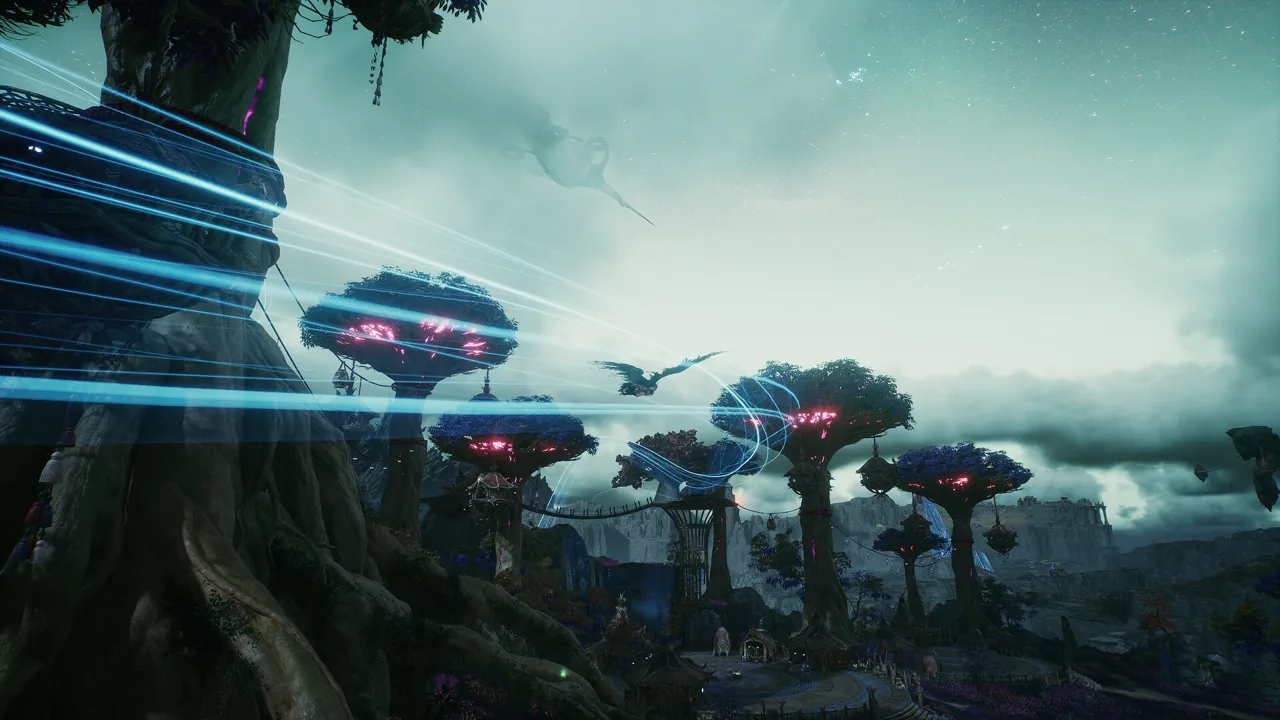
Understand the Battlefield Above You
The opponent above your shoulder deserves as much attention as the one standing in front of you. AION 2 Global aerial combat makes altitude, movement, and attack timing part of the same fight, so watching only the ground leaves you exposed. Learning AION 2 Global aerial combat means learning when to climb, when to dive, and how to keep enough movement available to escape a bad engagement.
Atreia’s vertical design reaches beyond open stretches of sky. Mountain ranges, cliffs, fortress walls, and the Abyss create encounters where enemies can approach from several elevations. Before committing to a target, look at the terrain surrounding it: the ridge overhead, the drop behind it, and the route back toward your group.
AION 2 runs on Unreal Engine 5 and spans a world 36 times larger than the original AION. That scale gives flight a central role in exploration and faction warfare, while combat emphasizes positioning, timing, and chaining skills.
The important adjustment is to think about an engagement as a moving route. Where will your opponent go after your opening attack? Where will you land if the pursuit fails? Which direction puts you closer to allies?
Keep those questions in mind before spending your movement advantage. Height gives you options, but an aggressive dive also commits you to a new position. Use altitude deliberately instead of dropping onto every enemy you spot.
Official page: AION 2 (aion2.plaync.com)
Manage Your Glide Gauge and Movement Modes
AION 2 Global aerial combat revolves around momentum, altitude, and the glide gauge. Descending from a high point converts height into speed, while ascending air currents restore part of the gauge and carry you upward.
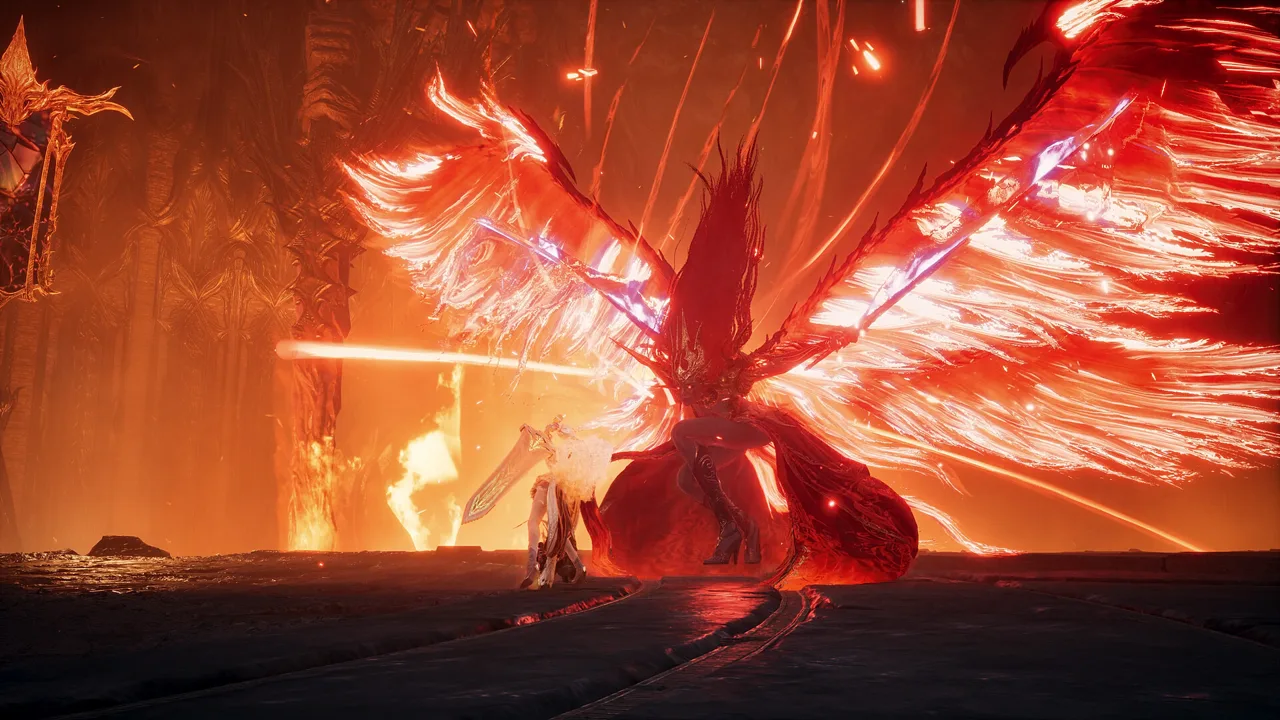 Image: Steam / NC
That creates a practical relationship between terrain and movement. A cliff can provide a launch point, a downward approach can build velocity, and an updraft can extend your route. Plan around those features rather than treating every journey as one uninterrupted flight.
Switch Movement Modes With a Purpose
Ground travel, gliding, and full flight serve different functions. Match your movement to the obstacle immediately ahead.
| Movement mode | How it works | What to practice |
|---|---|---|
| Ground sprint or mount | Covers flat ground without spending flight stamina | Stay grounded during short, level stretches |
| Glide | Uses elevated launch points to cover distance with reduced stamina drain | Launch from cliffs, rooftops, and other high terrain |
| Full flight | Supports climbing, crossing major obstacles, and airborne combat | Use it to clear walls or establish a fighting position |
Avoid spending your aerial resources just because your wings are available. Cross an easy ground section on foot or by mount, then use the nearby elevation to begin your glide.
While airborne, watch both your destination and the route beneath it. Reaching an enemy with little movement left can turn a successful chase into a difficult retreat.
Build Speed Without Losing Your Route
A downward dive accelerates your glide. Use that speed to cross toward a destination or approach an opponent from an angle.
Ascending drafts offer another piece of the route: they replenish part of your glide gauge and lift you above normal altitude ceilings. Look for them while exploring, then practice entering and exiting them before using them during PvP.
The dash-cancel, downward-dive, and re-glide sequence is an advanced way to maintain momentum. Practice its rhythm away from combat first. Focus on retaining control through the transition; speed helps only when you can still reach your intended position.
Unlock Mounted Gliding
Your pet mount needs to reach level three before it can glide. Once it reaches that level, jump from a cliff while mounted and press Space to initiate gliding.
You can also summon your pet mount during a normal wing glide by pressing C. Practice both transitions along a familiar route so changing movement states becomes comfortable before you enter contested territory.
Turn Vertical Movement Into Combat Pressure
AION 2 Global aerial combat lets you combine airborne movement with core actions, skill chains, and crowd control. Your approach angle therefore affects when you can apply pressure and how easily the opponent can respond.
Start by keeping the target in view while changing elevation. Then add attacks to that movement. Trying to learn pursuit, camera control, and skill timing simultaneously makes it harder to identify what went wrong.
Intercept Instead of Following
Following directly behind a fleeing enemy creates a predictable chase. Use a higher starting position to dive toward the route ahead of them.
Picture an opponent gliding toward a fortress wall. Aim diagonally toward the space they are approaching rather than tracing their exact path. The goal is to create an engagement opportunity before they finish crossing the gap.
Use available airborne crowd control when that approach brings the target into reach. Coordinate the interception with your group instead of extending the chase beyond everyone’s support.
Change Elevation Under Pressure
Wing retraction creates a rapid drop, and redeploying your wings with lateral movement produces a sharp change in direction. This vector pivot gives you a way to alter your flight path when someone is following your current trajectory.
Practice the sequence with room below you. Retract, drop, then redeploy into a different angle. Keep watching the opponent through the maneuver so you can choose whether to continue retreating or turn back toward support.
| Combat situation | Movement sequence to practice | Immediate objective |
|---|---|---|
| An opponent glides away | Gain height, dive, and approach diagonally | Intercept the route ahead |
| A pursuer follows your trajectory | Retract wings, drop, and redeploy sideways | Change your approach angle |
| A cliffside chase reaches an updraft | Leave the edge and use the draft to reverse direction | Reposition around the pursuing group |
| A siege stalls at a wall | Approach from elevated terrain and coordinate a descent | Apply pressure from above |
Coordinate Vertical Attacks in Sieges
Fortress walls encourage defenders to watch familiar approaches. Use surrounding peaks to organize an aerial route toward the enemy backline.
Agree on the destination before launching. Pick the landing area, identify the retreat direction, and time the descent together. A scattered approach makes it harder to combine attacks once the group arrives.
For solo play, use the same terrain awareness on a smaller scale. Keep a cliff, an elevation change, or an air-current route in mind before engaging. Build your exit into the approach instead of searching for one after the fight turns against you.
Plan Rift Runs Around Time and War Mode
AION 2 Global aerial combat becomes especially relevant when rifts carry you into enemy territory. Crossing the portal is only the beginning: you also need to reach your objective, manage your combat flag, and work within the visit’s time limit.

Rifts follow a three-hour rotation, with a short entry window and limited capacity. Prepare before the opening rather than starting your travel when the portal appears.
| Rift detail | Timing or capacity |
|---|---|
| Opening rotation | Typically every three hours |
| Daily opportunities | Roughly eight windows |
| Entry window | Usually 10 minutes |
| Participant capacity | Around 400 players per rift |
| Enemy-territory stay | One hour |
Locate the purple spatial marker on the map and move toward the portal promptly. Limited capacity gives another reason to arrive early, especially when entering with a coordinated group.
Enemy territory contains hidden dungeons and strongholds tied to upgrade materials. Decide whether your run targets those objectives or faction combat before crossing.
Choose Your PvP Flag Before Entry
War Mode changes what you are committing to. PvE mode is the default for rift visits and enemy maps, while manually enabling PvP opens faction combat and AP gains.
Activate PvP before entering the rift if that is your plan. You cannot manually switch modes on the opposing faction’s map, and long toggle cooldowns prevent changing your choice freely.
| Mode or trigger | What it means for your run |
|---|---|
| Default PvE mode | Supports regional stronghold and entry-level material farming |
| Manually enabled PvP | Allows attacks against opposing players and guards, alongside exposure to enemy attacks |
| Attacking enemy citizens or kisks | Triggers forced PvP flagging |
| A PvP-flagged party or force member | Can trigger forced flagging for the group |
Forced PvP activation lasts around 10 minutes. Coordinate the group’s intended mode before departure and avoid actions that trigger flagging when your objective is a PvE farming run.
Use the one-hour stay to plan a focused route. Choose the objectives you intend to visit and the order you will tackle them. Leave room to reposition instead of committing the entire visit to a prolonged chase.
Build a Repeatable Aerial Practice Routine
Learning AION 2 Global aerial combat becomes easier when each practice run has a specific purpose. Use a familiar stretch of terrain with a launch point, room to descend, and an air current to work on movement before adding enemy pressure.
Practice these tasks separately:
- Controlled gliding: Launch from elevation and maintain a route toward a chosen destination.
- Dive timing: Convert height into speed, then steer toward a planned interception point.
- Air-current entry: Approach an ascending draft and control your exit.
- Vector pivots: Retract your wings, drop, and redeploy while keeping your camera oriented.
- Airborne skill timing: Use available core actions and crowd control while maintaining movement.
After each attempt, identify the decision that changed the outcome. Did you dive before the opponent chose a direction? Did you spend your movement reaching a target you could no longer follow? Did you lose sight of the enemy while turning?
Change one part of the next attempt. Repeating the same route helps you judge whether a different launch angle or dive timing improved your control.
For group practice, add communication once everyone can handle the route. Call the destination, coordinate the approach, and agree on when to abandon the pursuit.
Carry that discipline into AION 2 Global aerial combat in the Abyss: check above and below, approach with a purpose, and preserve a route back to your allies. Make every dive part of a plan.
FAQ
What makes AION 2 Global aerial combat different from ground combat?
Airborne fights add altitude and momentum to positioning. You can use dives, gliding, and directional changes while performing core combat actions, skill chains, and crowd control.
How do you restore the glide gauge?
Ascending air currents replenish part of your glide gauge and lift you upward. Practice routing through these drafts to extend your aerial movement.
When can a pet mount glide?
Mounted gliding unlocks when your pet mount reaches level three. Jump from a cliff while mounted and press Space to begin gliding. Press C during a normal wing glide to bring out your pet mount.
Can you manually enable PvP after entering enemy territory?
No. Enable PvP before crossing the rift if you intend to fight the opposing faction. Certain actions and group conditions can still trigger forced PvP flagging during your visit.
Continue with
 AION 2 Global Aion2 Market Different: Trading ExplainedExplore how the AION 2 Global market is different, from Membership access and disabled direct trades to Kina, Quna, and smarter spending on gear upgrades.
More in Features

AION 2 Global Crafting Guide: Professions and Mastery
Follow this AION 2 Global crafting guide to pick a profession, improve gathering, reach Professional Mastery, and build gear without wasting your Kinah.
AION 2 Global Daevanion Guide: Boards, Builds & Points
Plan your AION 2 Global daevanion build with board unlock levels, crystal sources, route costs, and Cleric priorities. Spend points on upgrades that count.
AION 2 Global Faction Selection: Elyos or Asmodians?
Make AION 2 Global faction selection easier: compare Elyos and Asmodians, learn how servers work, and choose the same side as your friends before you play.
AION 2 Global Gathering Guide: Level Up and Farm More
Use this AION 2 Global gathering guide to level Essence Extraction, choose useful skills, find Ruby nodes, and turn Odyle into crafting materials faster.
Join the community
Official channels for news, updates and player help: